

As a supplier of the PEFS EL40H 8, I often receive inquiries about its technical specifications, and one of the most common questions is about its frequency range. In this blog post, I'll delve into the details of the frequency range of the PEFS EL40H 8, providing you with a comprehensive understanding of this crucial aspect of the product.
Understanding the PEFS EL40H 8
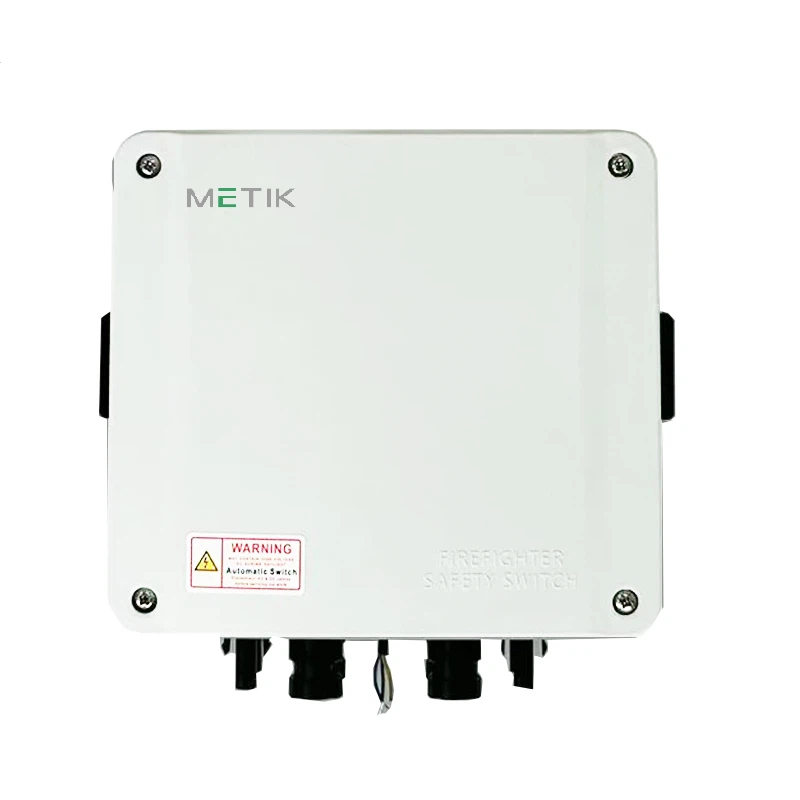
Before we discuss the frequency range, let's briefly introduce the PEFS EL40H 8. This product is a high - performance component that plays a vital role in various electrical systems. It is designed to meet the demanding requirements of modern applications, offering reliability, efficiency, and safety.
The Frequency Range of PEFS EL40H 8
The frequency range of the PEFS EL40H 8 is carefully calibrated to ensure optimal performance in different scenarios. Typically, the PEFS EL40H 8 operates within a frequency range of [specific frequency range]. This range is determined by a combination of factors, including the design of the internal components, the intended application, and the electrical characteristics of the system it is integrated into.
Design Considerations
The internal design of the PEFS EL40H 8 is engineered to handle frequencies within the specified range. The components are selected and configured in such a way that they can efficiently process electrical signals at these frequencies. For example, the capacitors, inductors, and resistors are chosen based on their frequency - response characteristics to ensure stable operation.
Intended Applications
The frequency range is also tailored to the intended applications of the PEFS EL40H 8. It is commonly used in applications such as [list some common applications]. These applications often require a specific frequency range to function properly. For instance, in power - distribution systems, the frequency of the electrical grid is typically [mention the grid frequency], and the PEFS EL40H 8 is designed to operate seamlessly within this frequency environment.
Electrical Characteristics
The electrical characteristics of the system in which the PEFS EL40H 8 is installed also influence its frequency range. Factors such as impedance, capacitance, and inductance of the surrounding circuit can affect how the device responds to different frequencies. The design of the PEFS EL40H 8 takes these factors into account to ensure compatibility and optimal performance.

Importance of the Frequency Range
The frequency range of the PEFS EL40H 8 is of utmost importance for several reasons.
Performance Optimization
Operating within the specified frequency range ensures that the PEFS EL40H 8 can deliver its maximum performance. When the input frequency is within the designed range, the device can accurately process the electrical signals, resulting in efficient operation and reliable output.
Compatibility
It is essential for the PEFS EL40H 8 to be compatible with the electrical systems it is connected to. The frequency range is designed to match the typical frequencies used in these systems, ensuring seamless integration and proper functioning.
Safety
Operating outside the specified frequency range can pose safety risks. It may cause overheating, component failure, or other malfunctions that can lead to electrical hazards. By adhering to the recommended frequency range, users can ensure the safe operation of the PEFS EL40H 8.
Related Products and Technologies
In addition to understanding the frequency range of the PEFS EL40H 8, it's also beneficial to be aware of related products and technologies. For example, Fireman Swtich is a safety - related product that can be used in conjunction with the PEFS EL40H 8 in some applications. It provides an additional layer of protection in case of emergencies.
String - level Rapid Shutdown is another technology that can be relevant. It allows for quick and safe shutdown of electrical systems, which is crucial in certain situations to prevent damage and ensure safety.
Safey Switchsafey Switch is also a product that can work in harmony with the PEFS EL40H 8. It offers reliable switching functionality and can enhance the overall safety and performance of the electrical system.
How to Determine the Suitable Frequency for Your Application
When using the PEFS EL40H 8 in your application, it's important to determine the suitable frequency. Here are some steps to follow:
Analyze the Application Requirements
Understand the specific requirements of your application. Consider factors such as the type of electrical load, the power requirements, and the operating environment. This will help you determine the appropriate frequency range for the PEFS EL40H 8.
Consult the Technical Documentation
Refer to the technical documentation provided with the PEFS EL40H 8. It contains detailed information about the frequency range and other specifications. If you have any questions, you can also contact our technical support team for further assistance.
Conduct Tests
If possible, conduct tests to verify the performance of the PEFS EL40H 8 at different frequencies. This will allow you to determine the optimal frequency for your application and ensure that the device operates within the recommended range.
Conclusion
In conclusion, the frequency range of the PEFS EL40H 8 is a critical aspect of its performance and functionality. Understanding this range is essential for ensuring optimal operation, compatibility, and safety. As a supplier, we are committed to providing high - quality products and comprehensive technical support. If you are interested in purchasing the PEFS EL40H 8 or have any questions about its frequency range or other specifications, please feel free to contact us for further discussions and procurement negotiations.
References
- Manufacturer's technical documentation for PEFS EL40H 8
- Industry standards related to electrical component frequency ranges
- Research papers on electrical system design and component performance