

As a supplier of firefighter safety switches, I've witnessed firsthand the critical role these devices play in protecting firefighters and ensuring the safety of structures during emergencies. In this blog post, I'll delve into the differences between basic and advanced firefighter safety switches, shedding light on their features, capabilities, and applications.
Basic Firefighter Safety Switches
Basic firefighter safety switches are designed to provide fundamental protection by interrupting the electrical circuit in the event of a fire or other emergency. These switches typically operate on a simple on/off mechanism, allowing firefighters to quickly and easily shut off power to a building or specific area.
One of the primary advantages of basic firefighter safety switches is their simplicity. They are easy to install, operate, and maintain, making them a cost-effective solution for many applications. Basic switches are often used in residential and small commercial buildings where the electrical system is relatively straightforward.
However, basic switches have some limitations. They may not provide the same level of protection as advanced switches, especially in complex electrical systems or high-risk environments. For example, basic switches may not be able to detect and respond to certain types of electrical faults or emergencies, such as arcing or overheating.
Advanced Firefighter Safety Switches
Advanced firefighter safety switches offer a higher level of protection and functionality compared to basic switches. These switches are designed to meet the specific needs of modern electrical systems and provide enhanced safety features to protect firefighters and property.
One of the key features of advanced firefighter safety switches is their ability to detect and respond to a wider range of electrical faults and emergencies. For example, some advanced switches are equipped with sensors that can detect arcing, overheating, and other potentially dangerous conditions. When a fault is detected, the switch can automatically shut off power to the affected area, preventing further damage and reducing the risk of fire.
Another advantage of advanced firefighter safety switches is their ability to communicate with other safety devices and systems. For example, some switches can be integrated with fire alarms, sprinkler systems, and other emergency response systems to provide a coordinated response to a fire or other emergency. This integration can help to improve the effectiveness of emergency response efforts and reduce the risk of injury or damage.
Advanced switches also offer greater flexibility and control compared to basic switches. For example, some switches can be programmed to operate in different modes or settings, depending on the specific needs of the building or application. This flexibility allows for customized solutions that can be tailored to the unique requirements of each installation.

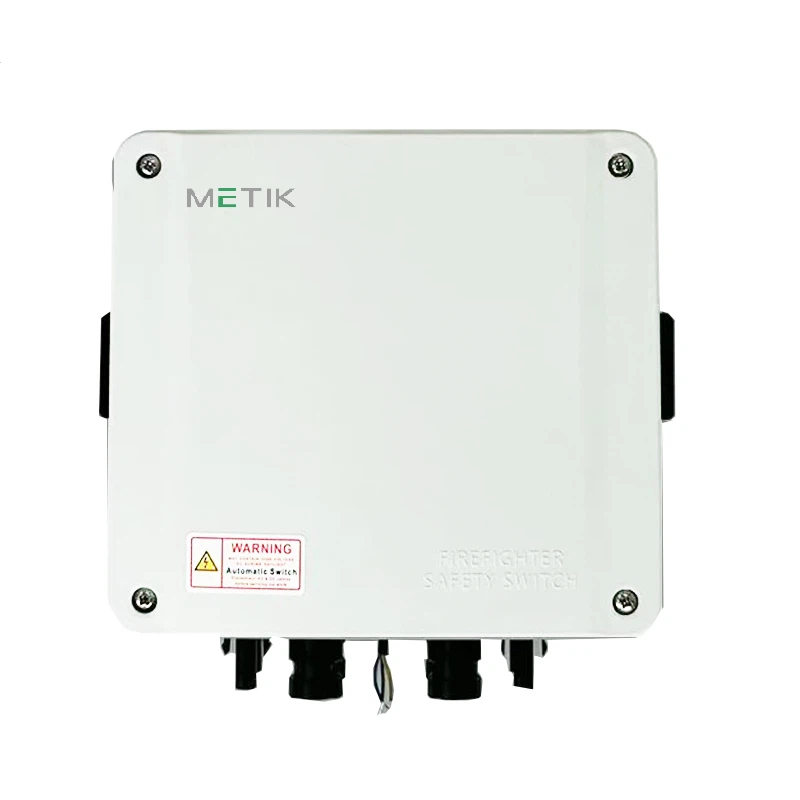
Key Differences Between Basic and Advanced Firefighter Safety Switches
Now that we've explored the features and capabilities of basic and advanced firefighter safety switches, let's take a closer look at the key differences between the two.
- Functionality: Basic switches typically offer a simple on/off mechanism, while advanced switches provide a wider range of functionality, including fault detection, automatic shut-off, and communication with other safety devices.
- Protection: Advanced switches offer a higher level of protection compared to basic switches, especially in complex electrical systems or high-risk environments. They can detect and respond to a wider range of electrical faults and emergencies, reducing the risk of fire and other hazards.
- Cost: Basic switches are generally less expensive than advanced switches, making them a cost-effective solution for many applications. However, the cost of advanced switches may be justified in situations where a higher level of protection is required.
- Installation and Maintenance: Basic switches are typically easier to install and maintain compared to advanced switches. They require less technical expertise and may not require as much ongoing maintenance or monitoring.
- Compatibility: Advanced switches may be more compatible with modern electrical systems and other safety devices, allowing for greater integration and coordination. This compatibility can help to improve the effectiveness of emergency response efforts and reduce the risk of injury or damage.
Applications of Basic and Advanced Firefighter Safety Switches
Both basic and advanced firefighter safety switches have a wide range of applications in various industries and settings. Here are some examples of where these switches are commonly used:
- Residential Buildings: Basic firefighter safety switches are often used in residential buildings to provide fundamental protection against electrical fires. These switches can be installed in the main electrical panel or at specific locations throughout the building, such as near appliances or outlets.
- Commercial Buildings: Advanced firefighter safety switches are commonly used in commercial buildings, such as offices, retail stores, and warehouses. These switches can provide enhanced protection for complex electrical systems and high-risk environments, reducing the risk of fire and other hazards.
- Industrial Facilities: Industrial facilities, such as factories and manufacturing plants, often require advanced firefighter safety switches to protect against electrical hazards. These switches can be designed to meet the specific needs of industrial applications, such as high-voltage systems and hazardous environments.
- Healthcare Facilities: Healthcare facilities, such as hospitals and clinics, require a high level of electrical safety to protect patients and staff. Advanced firefighter safety switches can be used to provide enhanced protection for critical electrical systems, such as life support equipment and medical devices.
Conclusion
In conclusion, the difference between basic and advanced firefighter safety switches lies in their functionality, protection, cost, installation, and compatibility. Basic switches offer a simple and cost-effective solution for many applications, while advanced switches provide a higher level of protection and functionality for complex electrical systems and high-risk environments.
As a supplier of firefighter safety switches, I understand the importance of providing high-quality products that meet the specific needs of our customers. Whether you're looking for a basic switch for a residential building or an advanced switch for a commercial or industrial facility, we have the expertise and experience to help you find the right solution.
If you're interested in learning more about our firefighter safety switches or would like to discuss your specific requirements, please don't hesitate to [contact us]. We look forward to working with you to ensure the safety of your property and the well-being of your occupants.
References
- National Fire Protection Association (NFPA). (2020). NFPA 70: National Electrical Code.
- International Electrotechnical Commission (IEC). (2018). IEC 60364-7-712: Electrical installations of buildings - Part 7-712: Requirements for special installations or locations - Solar photovoltaic (PV) power supply systems.
- Underwriters Laboratories (UL). (2021). UL 1741: Inverters, Converters, Controllers and Interconnection System Equipment for Use with Distributed Energy Resources.