

The solar energy industry has witnessed remarkable growth in recent years, with large-scale solar farms becoming increasingly prevalent as a clean and sustainable energy source. As these solar farms expand, safety and regulatory compliance have become paramount concerns. String-level Rapid Shutdown is an essential technology that addresses these concerns by providing a rapid and effective way to shut down the DC power in solar arrays during emergencies. In this blog, we'll delve into the installation and maintenance costs of String-level Rapid Shutdown in large-scale solar farms, offering valuable insights for solar farm developers, operators, and investors.
Understanding String-level Rapid Shutdown
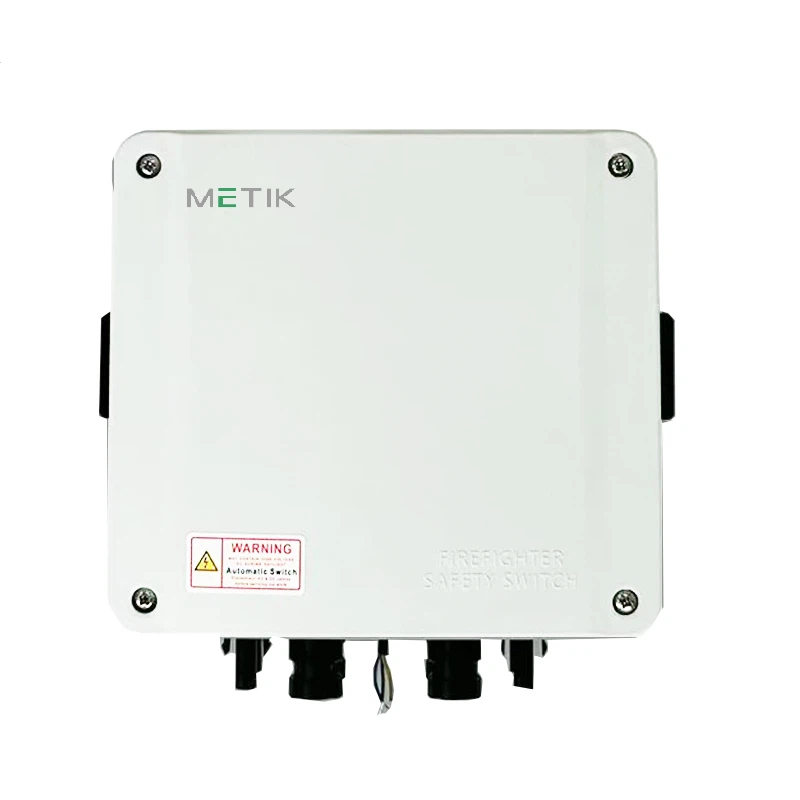
String-level Rapid Shutdown is a safety feature designed to quickly reduce the DC voltage in solar panels to a safe level in the event of a fire, maintenance, or other emergencies. This technology enhances the safety of firefighters, maintenance personnel, and the general public by minimizing the risk of electrical shock and fire spread. By rapidly shutting down the power at the string level, it ensures that each individual string of solar panels can be safely isolated, even in large and complex solar farms.
For more information on String-level Rapid Shutdown, you can visit our website: String-level Rapid Shutdown.
Installation Costs
The installation costs of String-level Rapid Shutdown in large-scale solar farms can vary significantly depending on several factors, including the size of the solar farm, the type of technology used, and the complexity of the installation. Here are some of the key cost components to consider:
Equipment Costs
The primary equipment required for String-level Rapid Shutdown includes rapid shutdown devices, communication modules, and control systems. The cost of these devices can vary depending on the manufacturer, quality, and features. Generally, more advanced and reliable devices tend to be more expensive.
Labor Costs
Installing String-level Rapid Shutdown systems requires skilled labor, including electricians and technicians. The labor costs can vary depending on the location of the solar farm, the complexity of the installation, and the local labor rates. In some cases, the installation process may require additional scaffolding or equipment, which can also add to the labor costs.
Design and Engineering Costs
Before the installation process begins, a detailed design and engineering plan must be developed to ensure that the String-level Rapid Shutdown system is compatible with the existing solar farm infrastructure. This may involve consulting with electrical engineers and other experts, which can incur additional costs.
Permitting and Inspection Costs
Obtaining the necessary permits and inspections for the installation of String-level Rapid Shutdown systems is an essential part of the process. These costs can vary depending on the local regulations and requirements.
In general, the installation costs of String-level Rapid Shutdown in large-scale solar farms can range from a few thousand dollars to several hundred thousand dollars, depending on the size and complexity of the project. However, it's important to note that these costs are a necessary investment in safety and regulatory compliance, which can ultimately save lives and prevent costly damage to the solar farm.
Maintenance Costs
Once the String-level Rapid Shutdown system is installed, regular maintenance is required to ensure its continued reliability and performance. Here are some of the key maintenance cost components to consider:
Routine Inspections
Regular inspections of the String-level Rapid Shutdown system are necessary to identify any potential issues or malfunctions. These inspections may include visual checks, electrical tests, and software updates. The frequency of these inspections can vary depending on the manufacturer's recommendations and the local regulations.
Replacement Parts
Over time, some of the components of the String-level Rapid Shutdown system may need to be replaced due to wear and tear or other factors. The cost of replacement parts can vary depending on the type and quality of the components.

Software Updates
As technology advances, software updates may be required to ensure that the String-level Rapid Shutdown system remains compatible with the latest safety standards and regulations. These updates may be provided by the manufacturer at no cost or may incur a fee.
Training and Support
Proper training and support are essential for the effective operation and maintenance of the String-level Rapid Shutdown system. This may involve providing training to the solar farm operators and maintenance personnel, as well as offering technical support from the manufacturer.
In general, the maintenance costs of String-level Rapid Shutdown in large-scale solar farms can range from a few hundred dollars to several thousand dollars per year, depending on the size and complexity of the system. However, these costs are relatively low compared to the potential benefits of having a reliable and effective safety system in place.
Factors Affecting Costs
Several factors can affect the installation and maintenance costs of String-level Rapid Shutdown in large-scale solar farms. Here are some of the key factors to consider:
Solar Farm Size
The size of the solar farm is one of the most significant factors affecting the costs. Larger solar farms typically require more equipment and labor to install and maintain the String-level Rapid Shutdown system, which can result in higher costs.
Technology Type
There are several different types of String-level Rapid Shutdown technologies available on the market, each with its own advantages and disadvantages. Some technologies may be more expensive to install and maintain than others, depending on their complexity and features.
Regulatory Requirements
The regulatory requirements for String-level Rapid Shutdown can vary depending on the location of the solar farm. Some regions may have more stringent requirements than others, which can increase the costs of installation and maintenance.
System Complexity
The complexity of the solar farm's electrical infrastructure can also affect the costs. Solar farms with more complex wiring and control systems may require more advanced String-level Rapid Shutdown technologies, which can be more expensive to install and maintain.
Benefits of String-level Rapid Shutdown
Despite the installation and maintenance costs, String-level Rapid Shutdown offers several significant benefits for large-scale solar farms. Here are some of the key benefits:
Enhanced Safety
The primary benefit of String-level Rapid Shutdown is enhanced safety. By quickly reducing the DC voltage in solar panels to a safe level, it minimizes the risk of electrical shock and fire spread, protecting firefighters, maintenance personnel, and the general public.
Regulatory Compliance
Many regions have implemented regulations requiring the installation of String-level Rapid Shutdown systems in large-scale solar farms. By complying with these regulations, solar farm developers and operators can avoid costly fines and legal issues.
Improved System Reliability
Regular maintenance of the String-level Rapid Shutdown system can help to identify and address potential issues before they become major problems, improving the overall reliability and performance of the solar farm.
Increased Property Value
Solar farms with String-level Rapid Shutdown systems are generally considered to be more valuable and attractive to investors and buyers, as they offer enhanced safety and regulatory compliance.
Conclusion
String-level Rapid Shutdown is an essential technology for large-scale solar farms, providing enhanced safety, regulatory compliance, and system reliability. While the installation and maintenance costs can be significant, they are a necessary investment in the long-term success and sustainability of the solar farm. By carefully considering the factors affecting the costs and choosing the right technology and service provider, solar farm developers and operators can ensure that they are getting the best value for their investment.
If you're interested in learning more about our String-level Rapid Shutdown solutions or would like to discuss your specific requirements, please don't hesitate to contact us. We're here to help you make informed decisions and ensure the safety and efficiency of your solar farm.
References
- [List relevant industry reports, research papers, or standards here. For example: "Solar Energy Industries Association (SEIA). (Year). Best Practices for Solar Farm Safety. Retrieved from [Source]."]