

Hey there! As a supplier of Safey Switchsafey Switch, I'm super stoked to chat with you about the electrical characteristics of these nifty devices. You know, safety switches are a big deal in the electrical world, and understanding their electrical traits can help you make the right choice for your projects.
First off, let's talk about voltage rating. The voltage rating of a Safey Switchsafey Switch is a crucial characteristic. It tells you the maximum voltage that the switch can handle safely. For instance, if you've got a switch with a voltage rating of 250V, it means it's designed to work properly within that voltage range. Going above this rating can lead to all sorts of problems, like arcing, overheating, and even damage to the switch itself. So, when you're picking a switch, make sure the voltage rating matches the electrical system you're using it in.

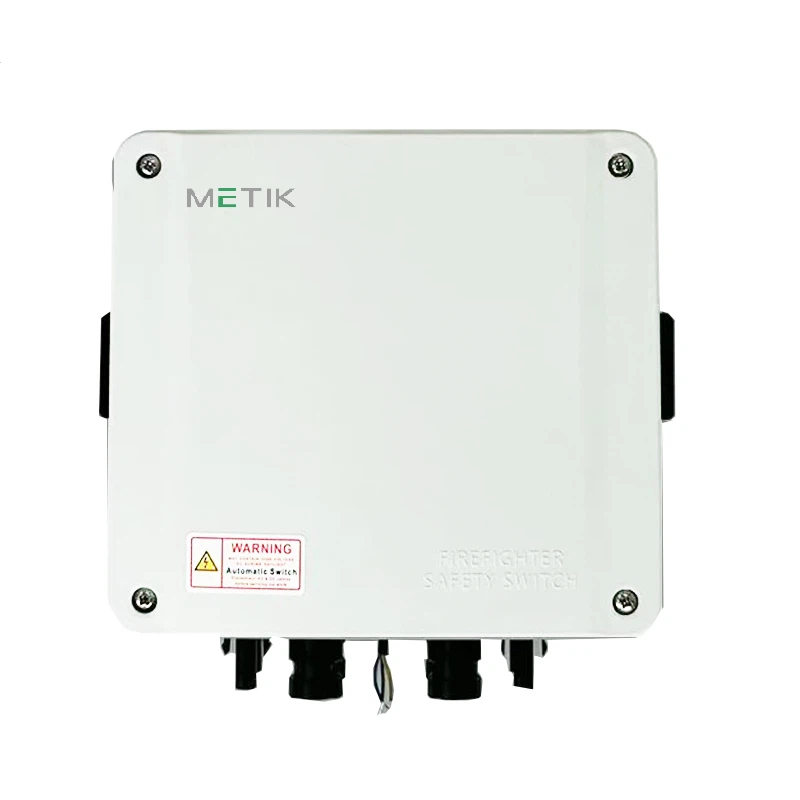
Another important thing is current rating. This is all about how much current the switch can carry without getting fried. Just like with voltage, if you try to push more current through the switch than it's rated for, bad things can happen. A switch with a low current rating might overheat and fail if you use it in a high - current application. On the other hand, using a switch with a much higher current rating than you need can be overkill and more expensive. So, it's all about finding that sweet spot.
Resistance is also a key electrical characteristic. A good Safey Switchsafey Switch should have low resistance when it's in the closed position. Low resistance means that there's less power loss as the current flows through the switch. When the switch is open, it should have extremely high resistance, effectively blocking the flow of current. This is what allows the switch to control the electrical circuit properly.
Let's also touch on insulation resistance. Insulation is what keeps the electrical current where it's supposed to be. A high insulation resistance in a safety switch is essential for preventing electrical leakage. Electrical leakage can not only waste energy but also pose a safety hazard. You don't want any current sneaking out where it shouldn't be, right?
Now, let's talk about some of the specific types of safety switches. The Fireman Swtich is a really interesting one. It's designed to cut off power in emergency situations, like when firefighters are on the scene. This switch needs to be reliable and fast - acting. Its electrical characteristics are optimized for quick response and high - level safety. When it comes to voltage and current ratings, it's built to handle the demands of large electrical systems that are often found in commercial and industrial buildings.
The Safey Switchsafey Switch itself comes in various types and configurations. Some are designed for residential use, while others are made for more heavy - duty commercial or industrial applications. The electrical characteristics vary depending on the intended use. For example, a residential switch might have lower voltage and current ratings compared to an industrial one.
String - level Rapid Shutdown is another area where safety switches play a vital role. In solar power systems, rapid shutdown is crucial for the safety of firefighters and maintenance workers. The switches used in string - level rapid shutdown need to be able to cut off the electrical current quickly and efficiently. Their electrical characteristics are focused on high - speed operation and reliable performance.
When it comes to the response time of a safety switch, it's super important. A fast - acting switch can prevent electrical accidents and damage to equipment. The response time is affected by things like the internal design of the switch, the materials used, and the electrical load it's connected to. Safety switches are often tested to ensure that they meet certain response time standards.
Arc - extinguishing ability is also a big deal. When a switch opens or closes, an arc can form between the contacts. This arc can cause damage to the switch and pose a safety risk. A good safety switch should be able to extinguish the arc quickly. The electrical design of the switch, including things like the shape of the contacts and the use of arc - quenching materials, affects its arc - extinguishing ability.
Now, I know all this technical stuff can seem a bit overwhelming, but it's really important to understand these electrical characteristics when you're looking for a safety switch. Whether you're a DIY enthusiast working on a small home project or a professional electrician dealing with large - scale installations, getting the right switch with the appropriate electrical characteristics is key.
If you're in the market for a Safey Switchsafey Switch, I'd love to help you out. We've got a wide range of switches with different electrical characteristics to suit all sorts of needs. Whether you need a switch for a simple residential circuit or a complex industrial system, we've got you covered. Just reach out to us, and we can have a chat about your specific requirements. We can help you pick the right switch based on its voltage rating, current rating, resistance, and all those other important electrical traits. So, don't hesitate to get in touch and start the conversation about your safety switch needs.
References
- Electrical Engineering Handbook: Covers general electrical concepts related to switches.
- Safety Switch Manufacturer's Guides: Provide detailed information on specific switch models and their electrical characteristics.